"Understanding the Root Cause to Fine-Tune Communication."
- Bitting Services -
A Holistic Approach to Bitting
Any tack or equipment we use on a horse should be well made and fit comfortably; crucial for the rider’s aids to be precise and to allow the horse to respond without discomfort or pain. There are clear behavioural and physical indicators a horse will show if something isn’t right and I take a holistic approach to bitting to ensure all the whole horse is considered when addressing a bitting issue. My background in behaviour has given me the experience to read a horse accurately and understand what their behaviour tells us.
Harmonious Riding Relationship
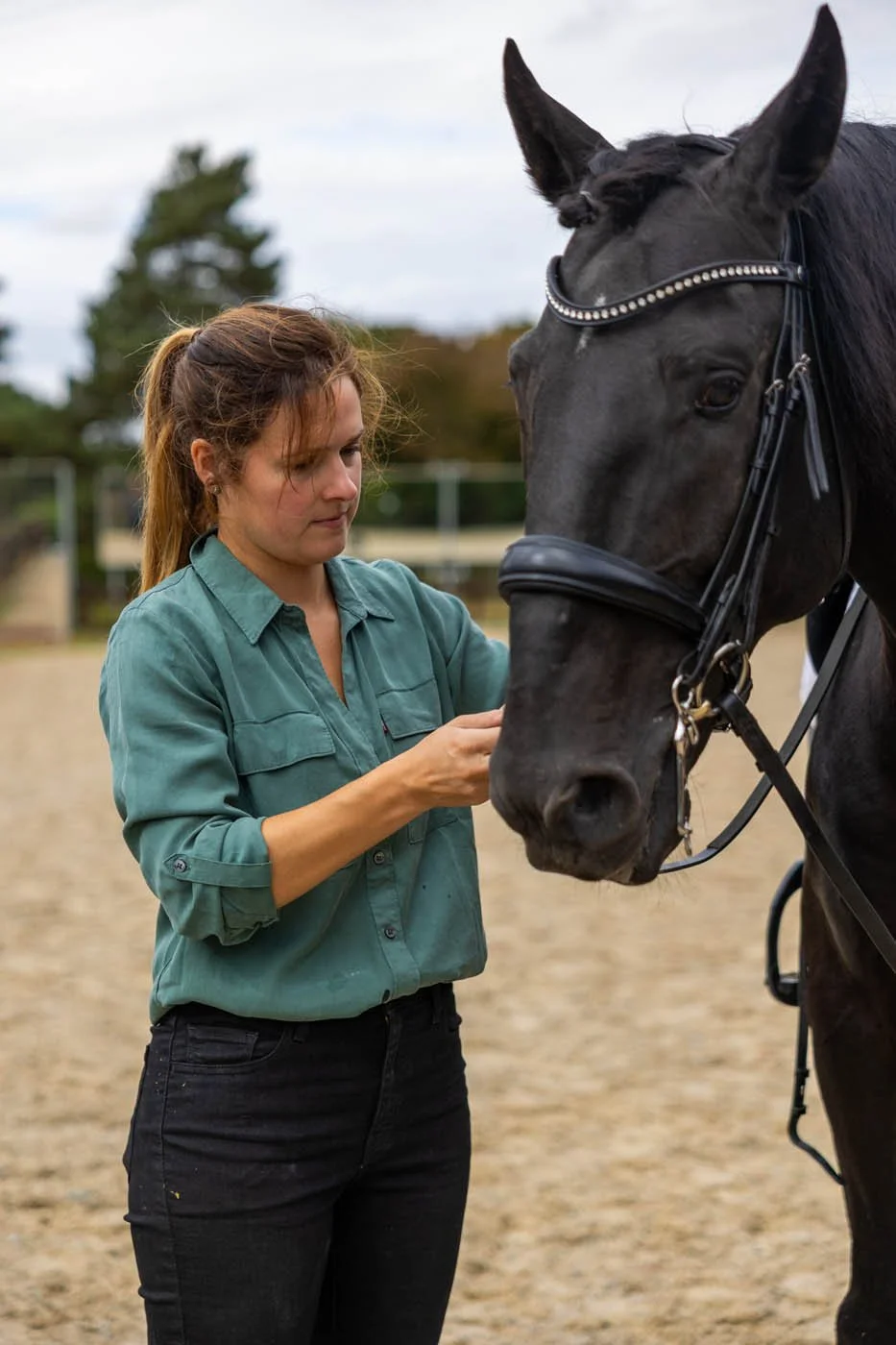
When considering what bit or bridle your horse needs it’s important we take into account their individual preferences and what they’ll be most comfortable in. Your needs and wishes as the rider are also important. The bit or bridle we choose has to be fit for purpose to help you achieve a happy, harmonious riding relationship.
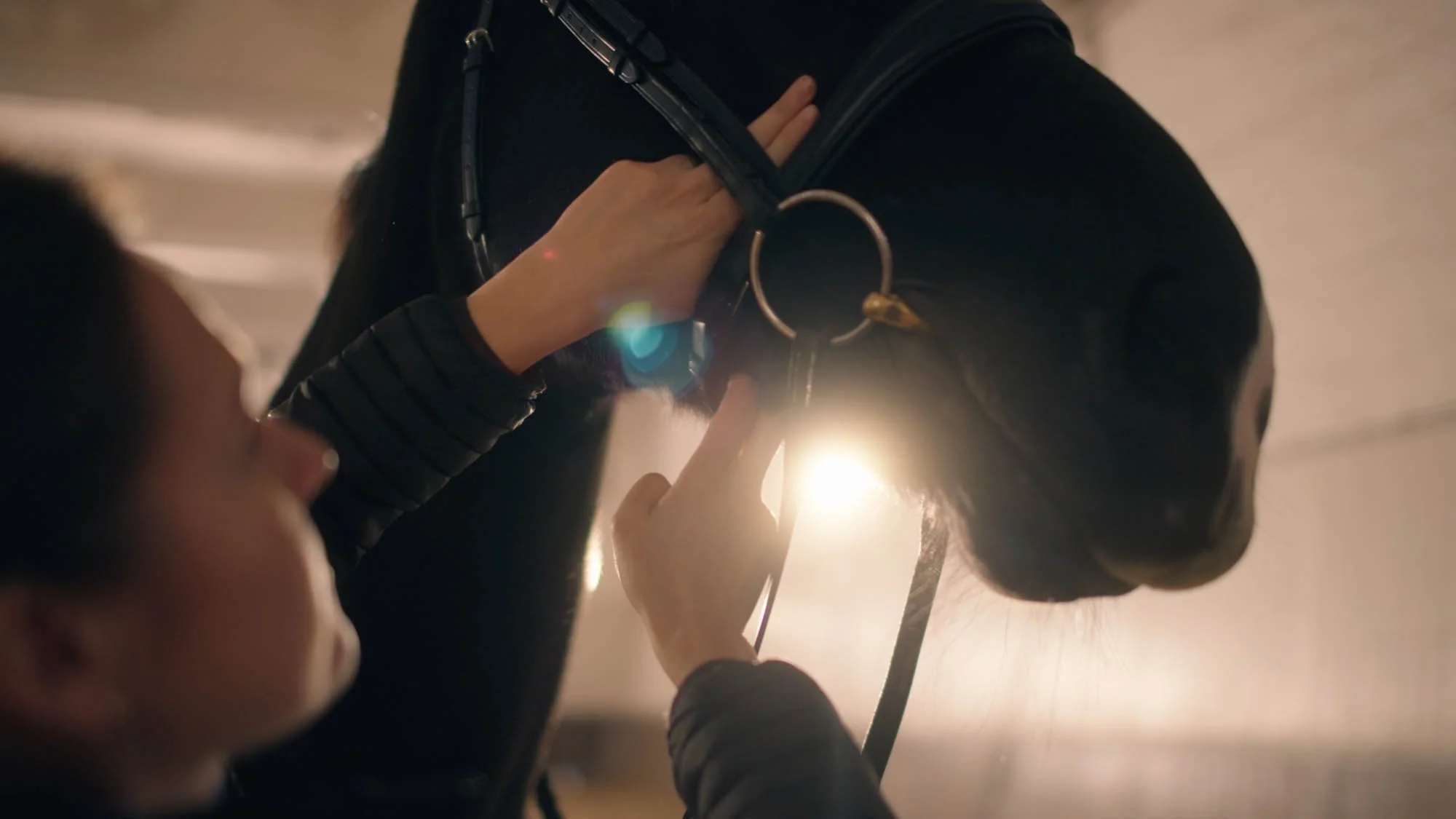
Bitting & Lorinery Consultations
I work with a range of horses and riders at varying levels and specialise in chronic contact evasions where an in depth approach is required. Fine tuning the subtle points of communication is also very rewarding where a bit change can help encourage your horse to work differently through its body and work towards that next level in performance.
Common Indicators of a Bitting Issue
As a rider you’ll feel when something isn’t right or your rein aids no longer feel effective. Your horse will also be giving you signs they’re not happy, some of which are listed below. If your horse is displaying any of these signs, do contact me to find out how I can help you.
Mouth opening or visible ‘air space’
Grabbing the bit / pulling through the hands
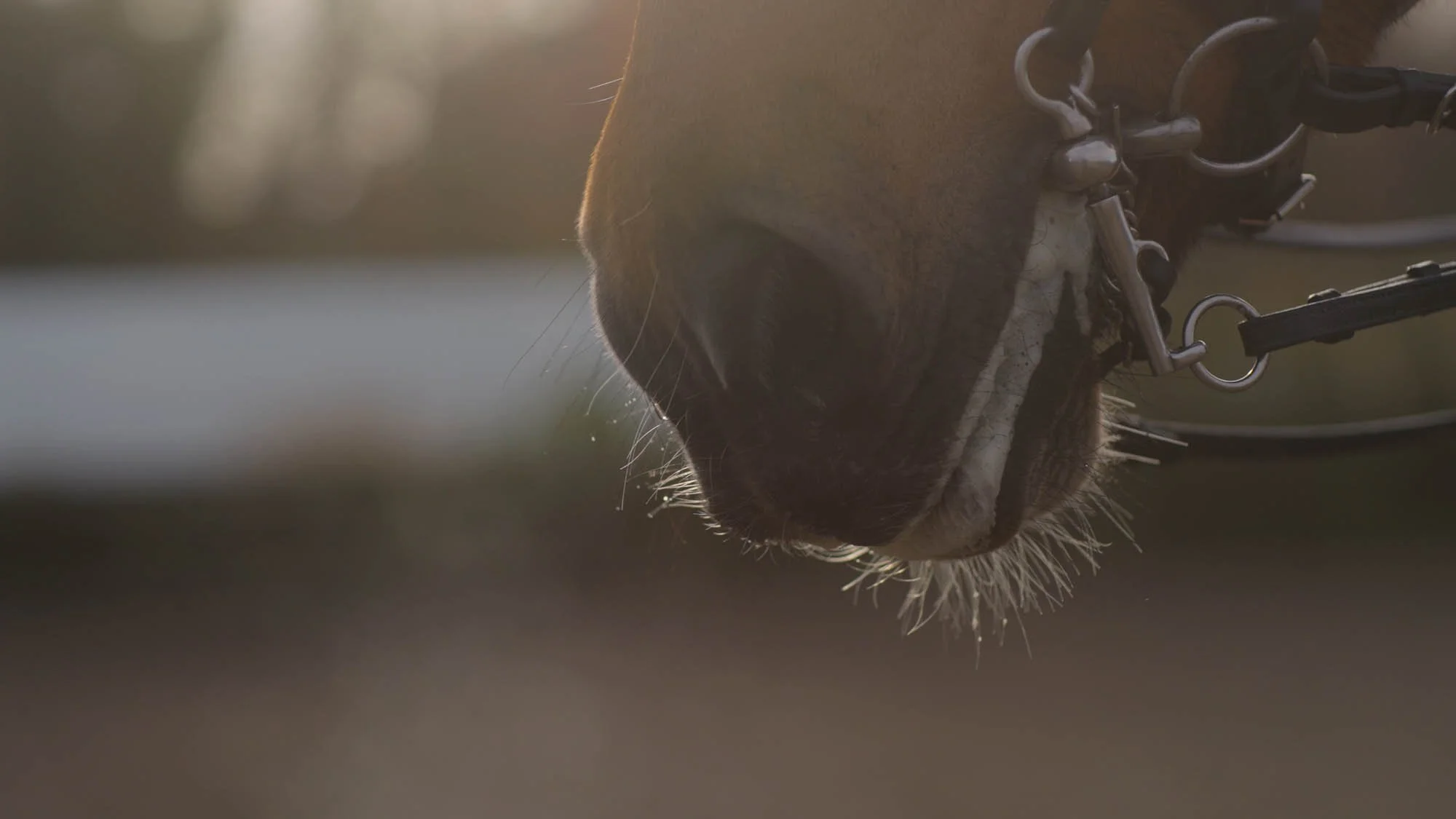
Excessively chewing or mouthing the bit
Excessive salivation
Lifting the bit in the mouth
Repetitive flapping of the lips
Retracting the tongue up behind the bit
Tongue over the bit / protruding between lips
Straightness or steering issues
Repeated head tilting, shaking, or tossing
High head carriage / tucked behind the vertical
Contact evasion or resistance to aids
Frequent tail swishing
Unresponsive / too strong in the hand
Avoidance of being bridled
Rubs, sores, or splits around the mouth
Consultation Details
-
A bitting issue isn’t always caused by the type of bit or bridle. Sometimes other issues contribute to your horse evading the contact. To get the most out of our session, it’s ideal your horse is up to date with:
Dentistry visits (ideally within the last 6–12 months)
Saddle fittings (ensure your fitter watched you ride)
Farriery
Musculoskeletal therapy or bodywork
-
I'll start by taking a short case history of your horse, your current level and goals. A horse’s background and their previous training and experiences can explain why some bitting issues are present and will give me a good idea on how your horse is feeling about the bit and the contact. I’ll run through my pre-bitting checklist and we'll discuss your bitting journey so far. I like to know what you’re like as a rider, your experience and how you prefer to train your horse as this will guide me on what type of bit is going to suit you and the feeling you want, as well as your horse.
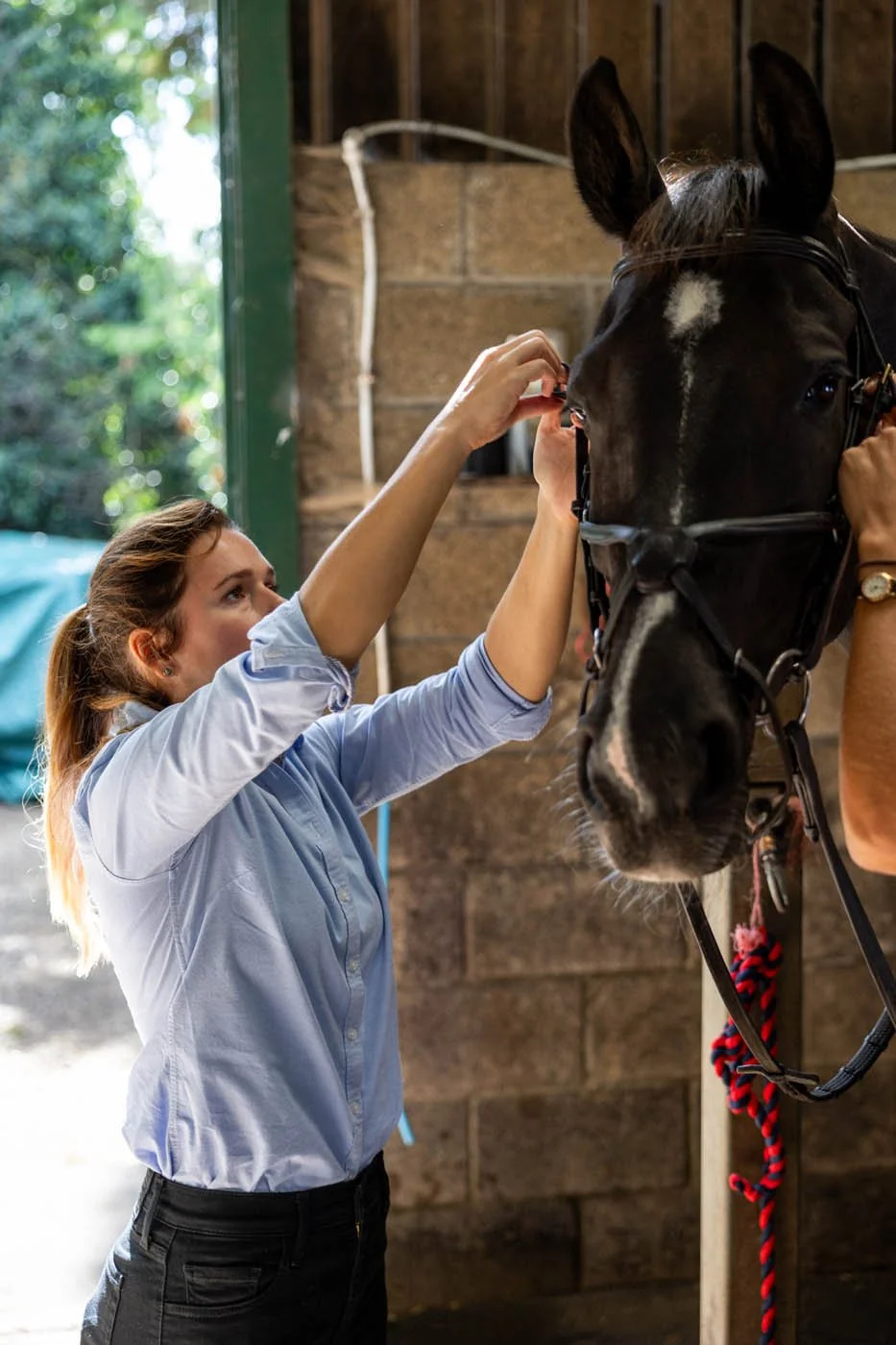
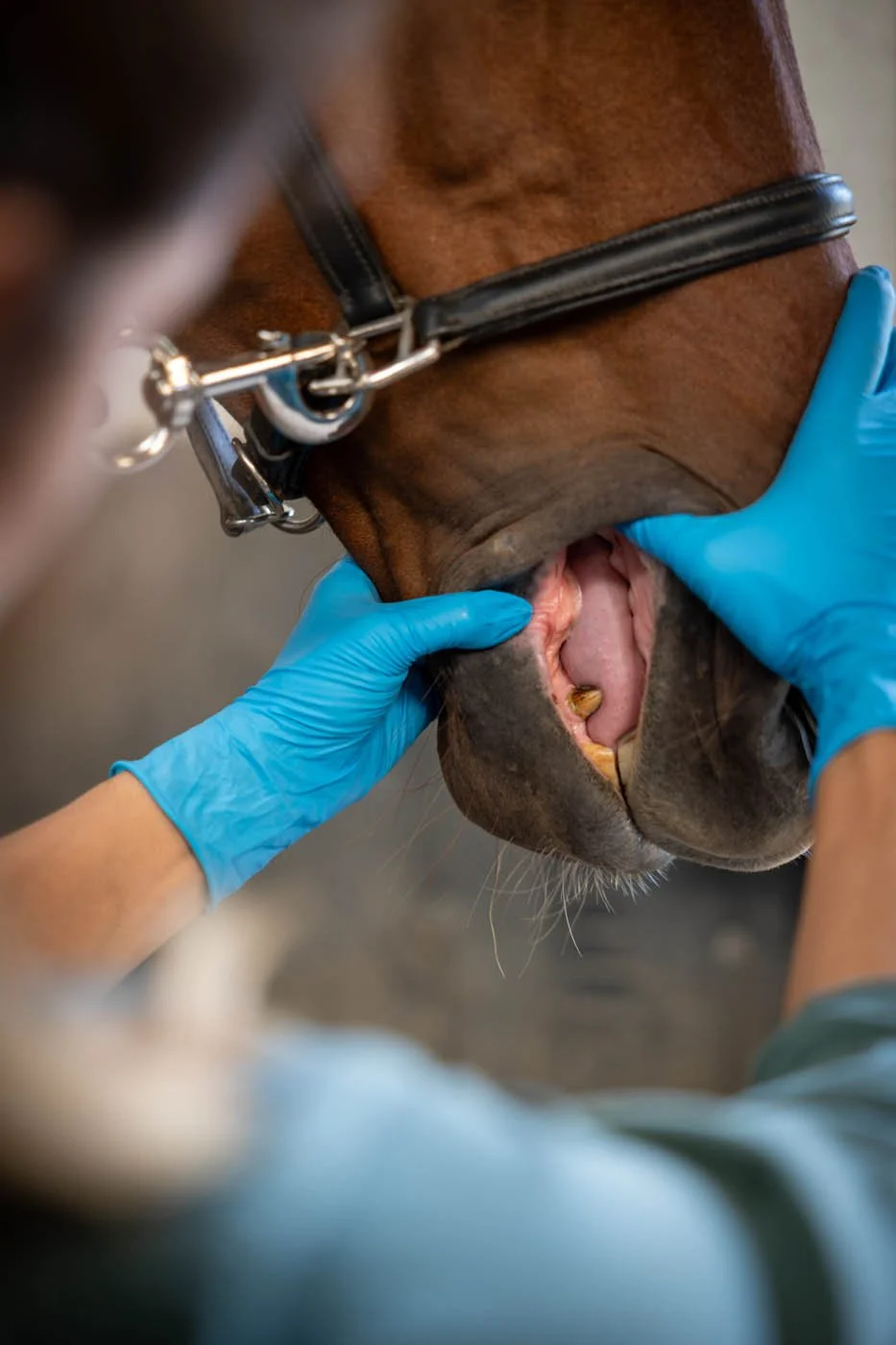
I’ll check your horse’s head and mouth to get a feel for their head shape, mouth size and whether there are any rubs or damage caused by their bridle or bit. I’ll also look inside their mouth to assess their mouth conformation and check for any bit related injuries before assessing the fit of their current bit/s and bridle/s.
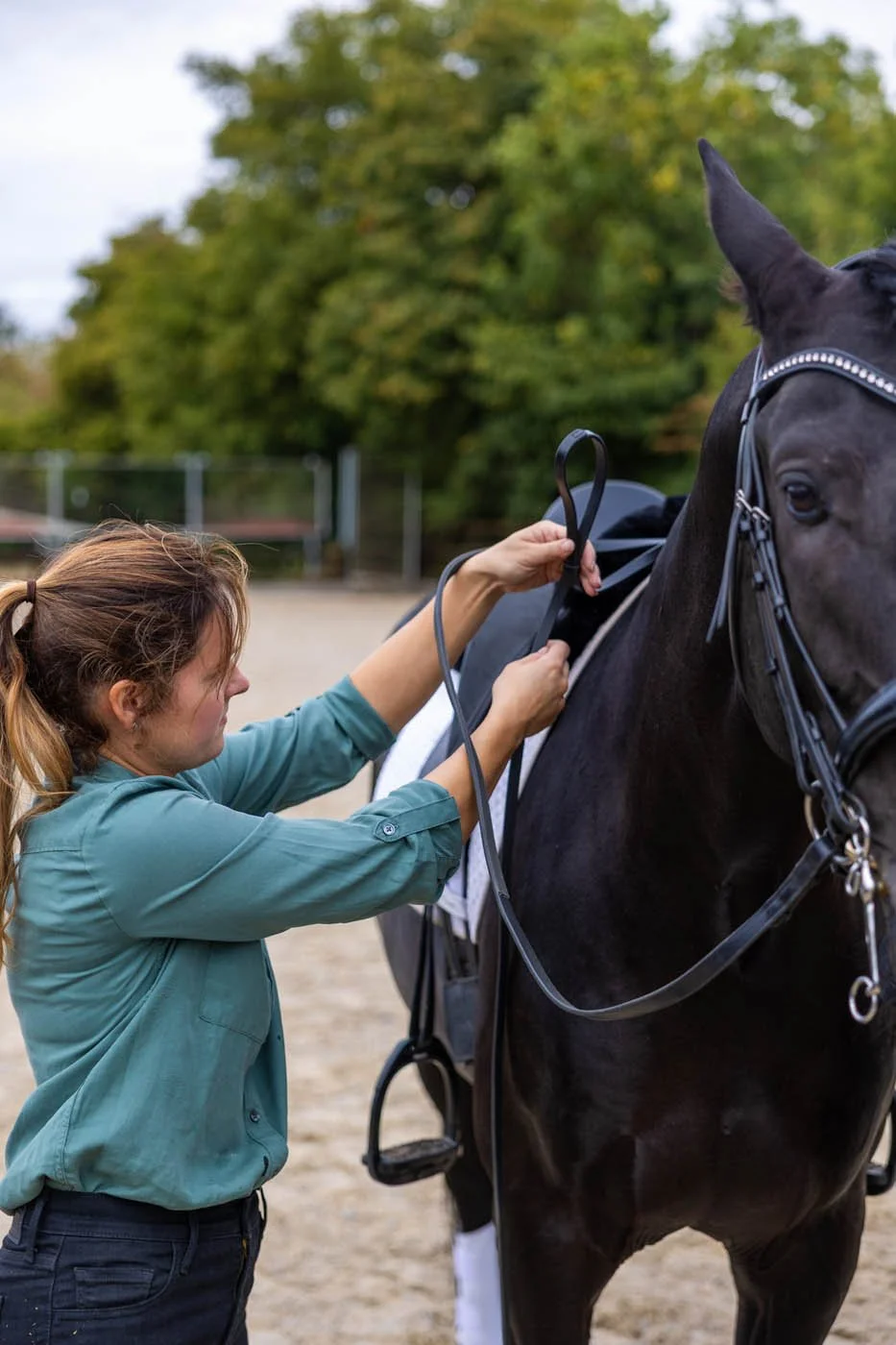
The next part of the session is ridden and ideally I need to see your horse walk, trot and canter (walk and trot is just fine if you’re not currently doing canter work). Here I’ll watch closely to see how your horse responds to you, your aids, the bit and the bit pressure. I’ll be watching how they use their body and how they feel in your hands so I’m aware of what you’re feeling and what you do or don’t like. Once I’ve got a good idea on how your horse performs, what they think and what the cause of any issues might be, I’ll pick out different bits for you to try. I’ll select specific bits that offer your horse a different feeling in terms of pressure points, amount of pressure that can be applied and overall feel of the bit. Each bit will guide me on where to go next in order to improve on the overall performance and communication for you both.
A session usually takes around 1.5 hours per horse.
If you’d like to focus on a bit for jumping or cross country, then make sure you have jumps ready or we’re meeting at a venue which has jumps set up for you so you can get the most out of your session.
-
Once we’ve decided on a suitable bit, you have the option to buy directly from me or I can advise on where to purchase. I carry a small range of new and second hand bits on me but the majority would need to be ordered and will be delivered straight to you. Delivery times can vary depending on what’s in stock, sometimes there can be a wait for certain bits to arrive from overseas. If you feel that the bit you purchased does not suit your horse then you can return it to me within 30 days of receiving the bit. Bits will not be refunded after 30 days unless I’ve given you an extended trial period. Broken or damaged bits will not be accepted, the normal wear from teeth on the surface of the bit is acceptable. I recommend postage with recorded delivery to ensure you are covered if the bit gets lost or damaged in transit as I am not responsible for loss or damage while it’s in the post. On receiving the bit, I will refund you the original bit cost minus a £30 hire charge.
New bridles will need to be ordered and will be delivered directly to your chosen address. I cannot accept returns on bridles unless it's unused with tags or if the item is faulty.
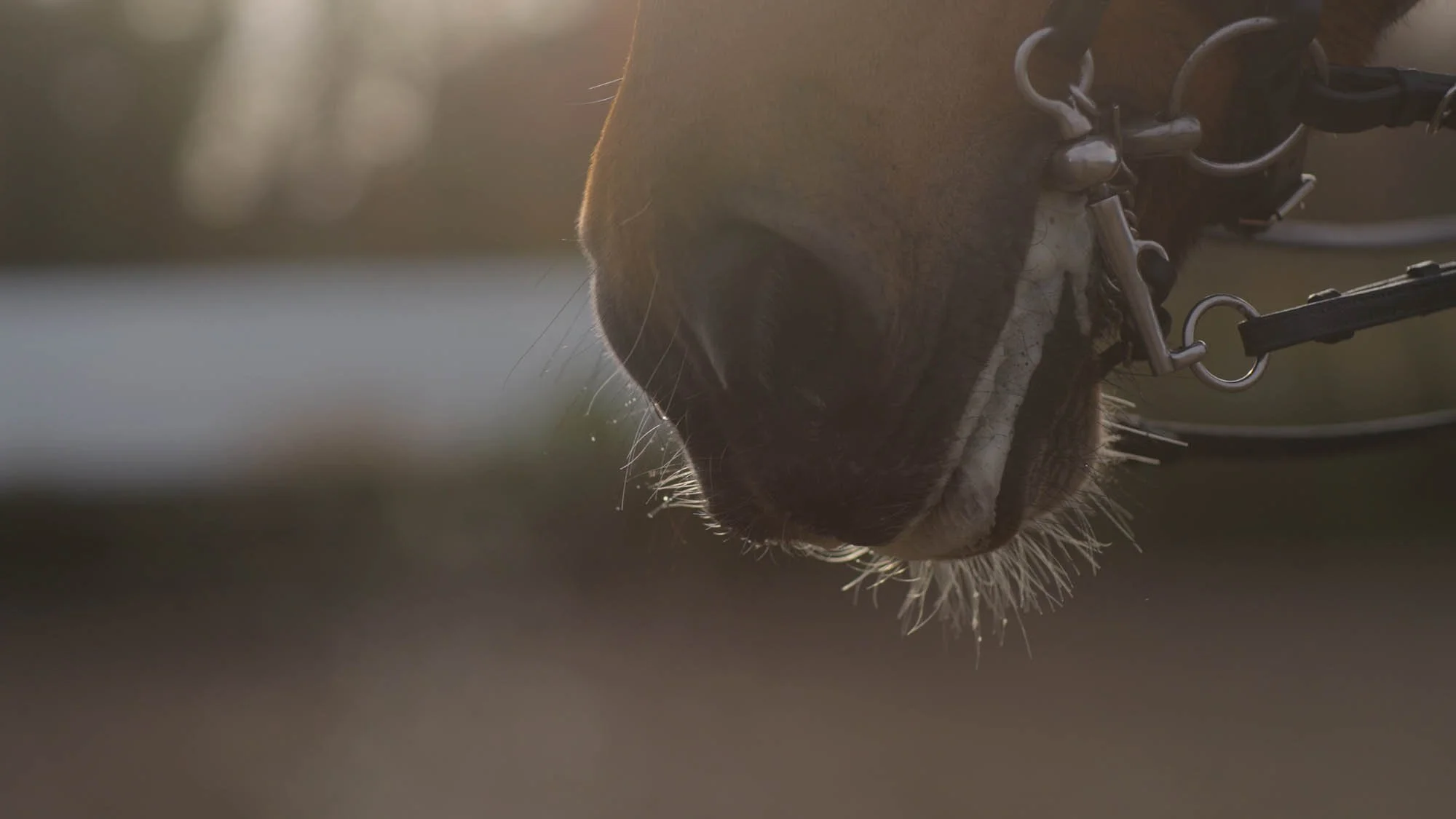
Brands
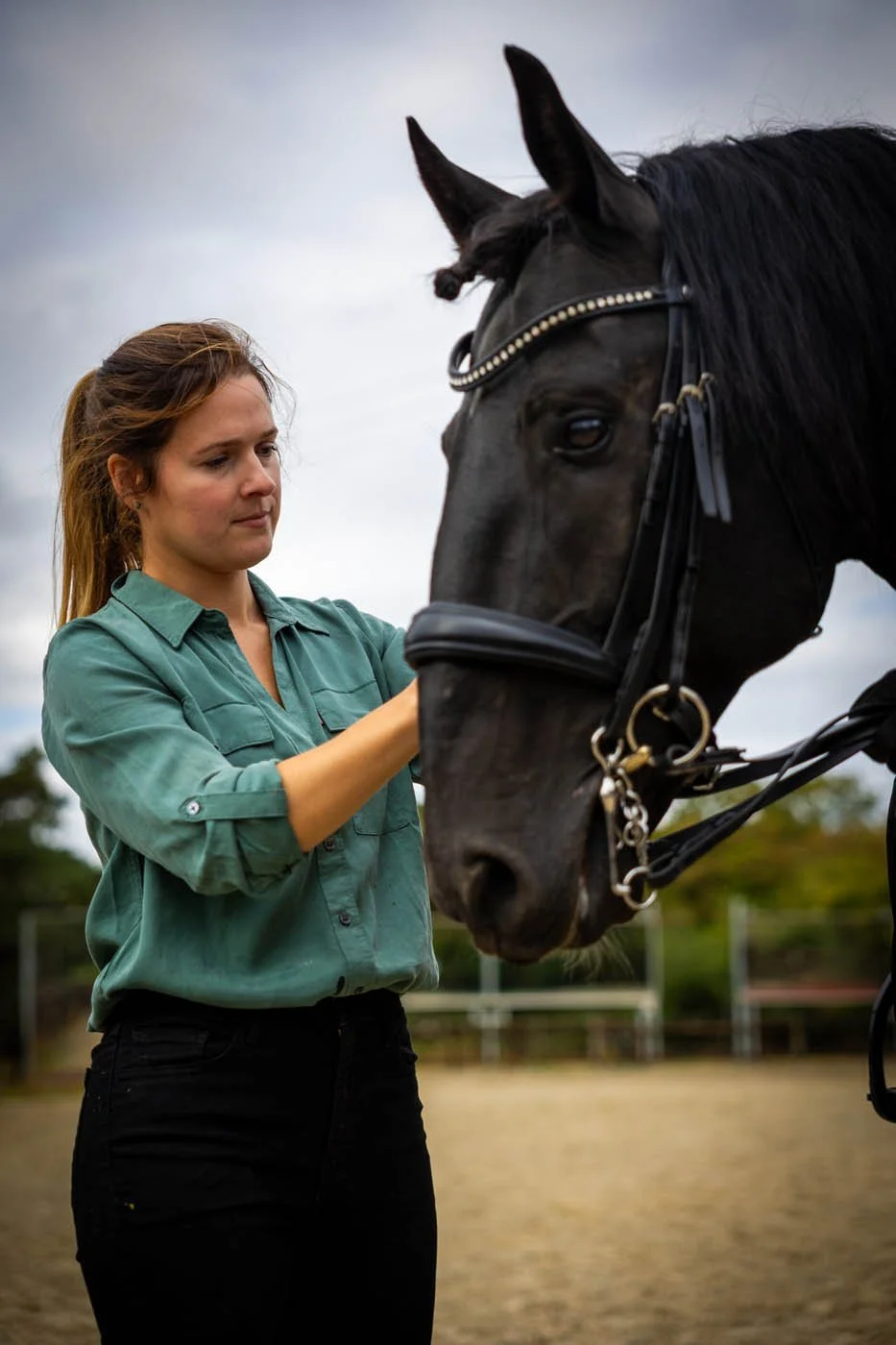
I pride myself in carrying a vast selection of bits and bridles.




Bitting Services & Pricing
Initial Bitting Consultation:
£95
(1.5-2 hours, includes bridle fitting)
Bridle & Bit Fitting (In-Hand):
£65
(1-1.5 hours, for unbacked or rehab horses)
Follow-Up Bitting Session:
£70
(1.5 hours)
Bridle & Bit Fitting (Non-Ridden):
£45
(45 mins - 1 hour, no ridden analysis)
(Note: Travel costs are additional and will be shared between clients on the day where possible. Please contact me with your postcode for a bespoke quote).